Start sending invites for free - no card required - Click here

Best Practices for Sending Bulk Calendar Invites and Managing Meetings Efficiently
Managing multiple meetings and events can quickly become overwhelming especially for businesses, educators, and large organizations. One of the best ways to stay organized and save time is to send bulk calendar invite instead of creating individual invitations.
BLOGS
11/3/20252 min read
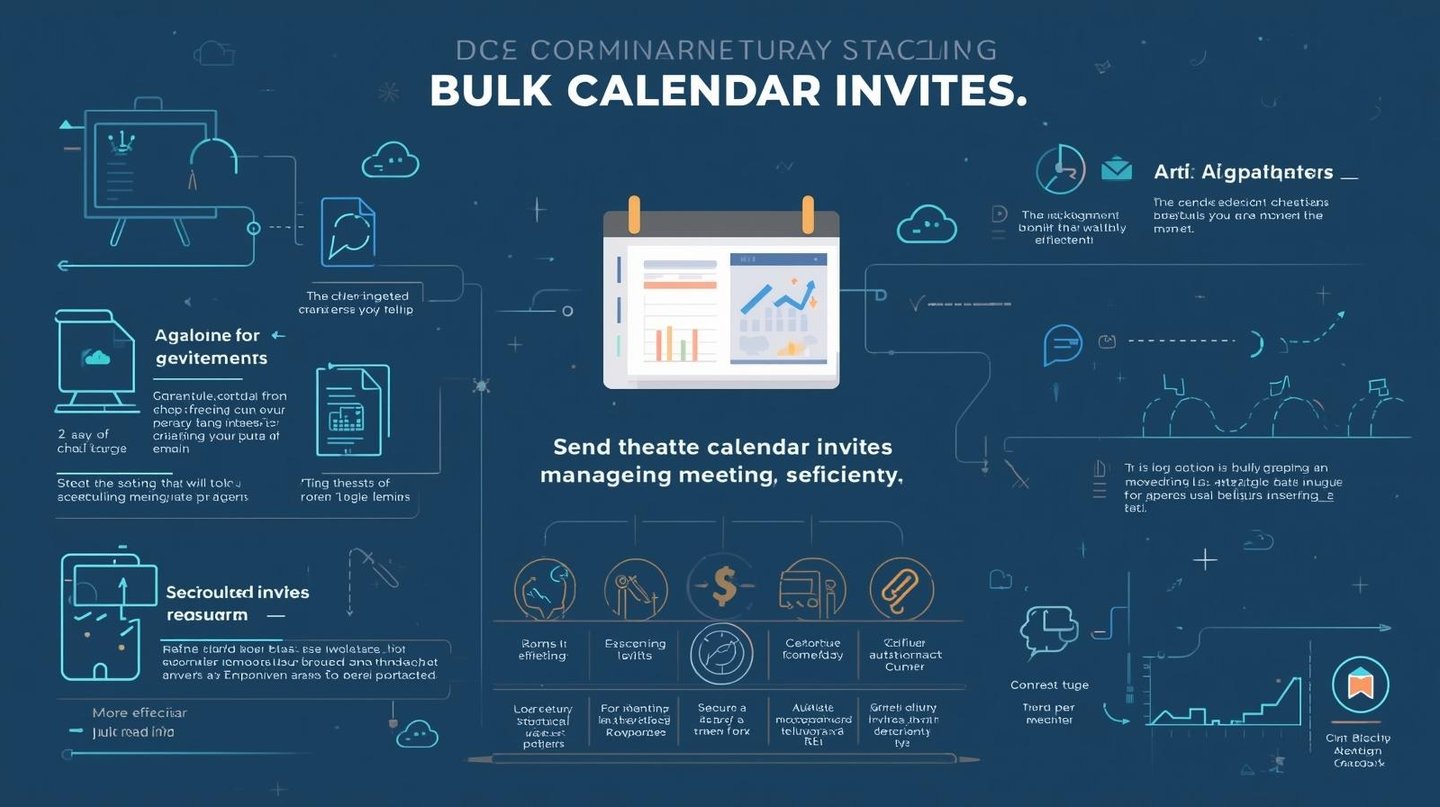
Managing multiple meetings and events can quickly become overwhelming especially for businesses, educators, and large organizations. One of the best ways to stay organized and save time is to send bulk calendar invite instead of creating individual invitations.
Why Bulk Invites Matter
When you’re managing multiple people or departments, efficiency matters. Sending mass meeting invite or using bulk scheduling saves effort while maintaining clarity. It ensures everyone receives the same information, at the same time, with no risk of missing important details.
Here’s why bulk scheduling is so effective:
It reduces manual work. You don’t need to send invites one by one.
It ensures consistency and everyone receives identical event details.
It improves organization and attendees can plan their day better.
It boosts attendance reminders and unified communication helps people stay updated.
Whether for company-wide announcements, workshops, or client webinars, bulk invites make event coordination simple.
How to Send Bulk Invites Smoothly
Different email platforms offer built-in methods for sending mass calendar requests. For example, if you send bulk meeting invites in Gmail, you can create a group or label in Google Contacts, and then include that group in your event invitation.
Similarly, if you want to send mass meeting invite in Outlook, you can set up distribution lists. This makes it easy to send or update events for everyone at once. Both methods save valuable time and reduce errors.
Organizing Multiple Invites
Sometimes you need to manage different meetings for various projects. Knowing how to send multiple calendar invites without overlap is a key professional skill. It keeps your day structured and ensures no two meetings clash.
When handling multiple invites, always review your daily calendar before sending out new ones. Avoid double-booking and provide enough buffer time between sessions.
Tips for Effective Scheduling
Set clear objectives: Include a short description or agenda in every meeting.
Be mindful of timing: Avoid early mornings or late evenings if possible.
Keep events concise: Shorter meetings tend to be more productive.
Send reminders: A 10-minute reminder helps increase attendance.
Review your week: Check upcoming events every Friday or Monday to stay prepared.
These small adjustments can greatly improve how your schedule functions day to day.
Using a Bulk Calendar System for Large Teams
For growing organizations, adopting a bulk calendar approach can streamline communication across departments. Instead of relying on scattered updates, one well-managed event calendar becomes the single source of truth.
This is especially useful in hybrid or remote teams where people work across different time zones. Bulk scheduling ensures everyone receives the same event details no matter where they are.
The Human Side of Meeting Management
Behind every meeting invite are real people managing real schedules. When you send bulk calendar invite or send mass meeting invite, it’s important to be thoughtful. Avoid sending unnecessary requests and always provide clear value for each meeting.
Respecting people’s time builds trust and improves collaboration.
Common Mistakes to Avoid
Even small scheduling mistakes can lead to big confusion. Be sure to avoid these:
Forgetting to update attendees after rescheduling
Sending invites to the wrong group or list
Not including meeting links or correct time zones
Over-inviting people who aren’t needed
Attention to detail prevents miscommunication and ensures smoother coordination.
Final Thoughts
Learning how to manage and send bulk calendar invites effectively is a key professional skill in today’s digital world. When meetings are clear, consistent, and well-timed, productivity naturally improves.
Whether you’re managing a small team or coordinating hundreds of attendees, taking a few minutes to plan and organize your invites thoughtfully can make your entire schedule more efficient and stress-free.
BulkCalendar.in
Send Bulk & Mass Calendar Invites Instantly
Contact us
Engagement
sales@letscalendar.com
+44 (0) 203 916 5117
© 2025. All rights reserved.
Help?