Start sending invites for free - no card required - Click here

The Role of Timers in Managing Events, Presentations, and Conferences
Time management is one of the most critical factors in the success of any event, presentation, or conference. When sessions run over time, it affects not only the speaker but also the audience, the next presenter, and the overall experience. This is why structured timing systems are widely used across live and virtual environments.
BLOGS
1/23/20262 min read
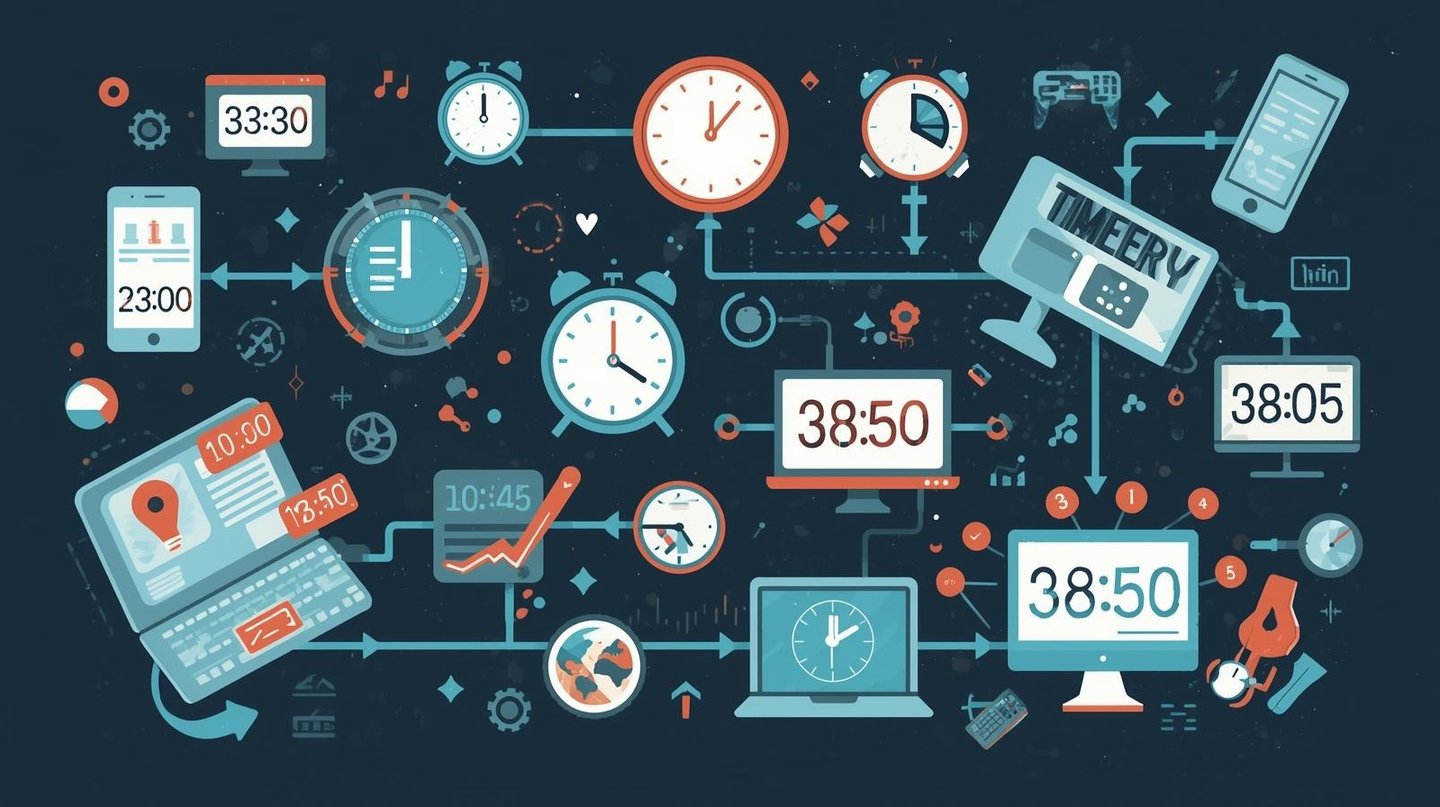
Time management is one of the most critical factors in the success of any event, presentation, or conference. When sessions run over time, it affects not only the speaker but also the audience, the next presenter, and the overall experience. This is why structured timing systems are widely used across live and virtual environments.
Why Time Control Matters
Every event follows a schedule, whether it’s a short presentation or a multi-day conference. Without proper time control, sessions can easily exceed their limits, leading to rushed conclusions or reduced engagement. A stage timer provides a clear visual reference that helps speakers and organizers stay aligned with the agenda.
Time awareness reduces stress for speakers and allows audiences to follow sessions without disruption.
Supporting Speakers and Presenters
A timer for presenters helps individuals manage their pacing during a talk. Instead of guessing how much time remains, presenters can adjust their delivery in real time.
Similarly, a timer for speakers ensures fairness across sessions, especially in conferences where multiple speakers share limited time slots.
Countdown Timers in Sessions
Workshops, panels, and training sessions often rely on structured timing. A countdown timer for sessions allows facilitators to manage activities efficiently and allocate time evenly.
When sessions have a clear start and end, participants remain more focused and engaged.
Webinars and Virtual Events
Virtual events introduce additional timing challenges, such as audience attention span and technical delays. A webinar timer helps hosts manage content delivery while leaving room for interaction.
Using a countdown timer for webinar sessions ensures that events respect participants’ schedules, which is especially important for global audiences.
Presentation Timing and Flow
A timer for presentation use supports better storytelling and structure. Speakers can plan sections of their talk more effectively when time is visible.
A countdown timer for presentation also helps presenters conclude smoothly instead of rushing through final points.
Managing Stage Transitions
In live events, smooth transitions are essential. A countdown timer for stage helps production teams coordinate lighting, sound, and speaker changes without confusion.
This clarity improves the overall professionalism of the event.
Conference Scheduling
Large events often involve multiple tracks and speakers. A conference timer supports the master schedule and prevents delays from cascading throughout the day.
When time is managed consistently, attendees can move between sessions confidently.
Event Timing at Scale
An event timer becomes especially important for complex events involving multiple segments, breaks, and activities. Clear timing keeps everything running smoothly.
Some organizers use a centralized stagetimer concept to ensure all sessions follow the same timing rules.
The Value of Countdown Timers
At its core, a countdown timer is a simple yet powerful tool. It removes ambiguity and reduces the need for verbal reminders.
A countdown timer for speakers or countdown timer for presenters allows individuals to self-manage their time without pressure.
A countdown timer for events also helps attendees understand how long each segment will last.
Best Practices for Using Timers
Ensure timers are visible but not distracting
Communicate time limits clearly in advance
Match timer design to the event format
Test visibility before the event begins
Conclusion
Effective time management is essential for successful events and presentations. Whether managing a webinar, conference, or live session, structured timing systems help maintain flow, engagement, and professionalism. When time is respected, everyone benefits.
BulkCalendar.in
Send Bulk & Mass Calendar Invites Instantly
Contact us
Engagement
sales@letscalendar.com
+44 (0) 203 916 5117
© 2025. All rights reserved.
Help?