Start sending invites for free - no card required - Click here

Why Timers Matter in Modern Presentations, Webinars, and Events
A timer for presentation is no longer just a clock on a screen. It has evolved into a practical tool that helps speakers stay focused, organizers maintain flow, and audiences remain engaged without unnecessary delays.
BLOGS
2/4/20262 min read
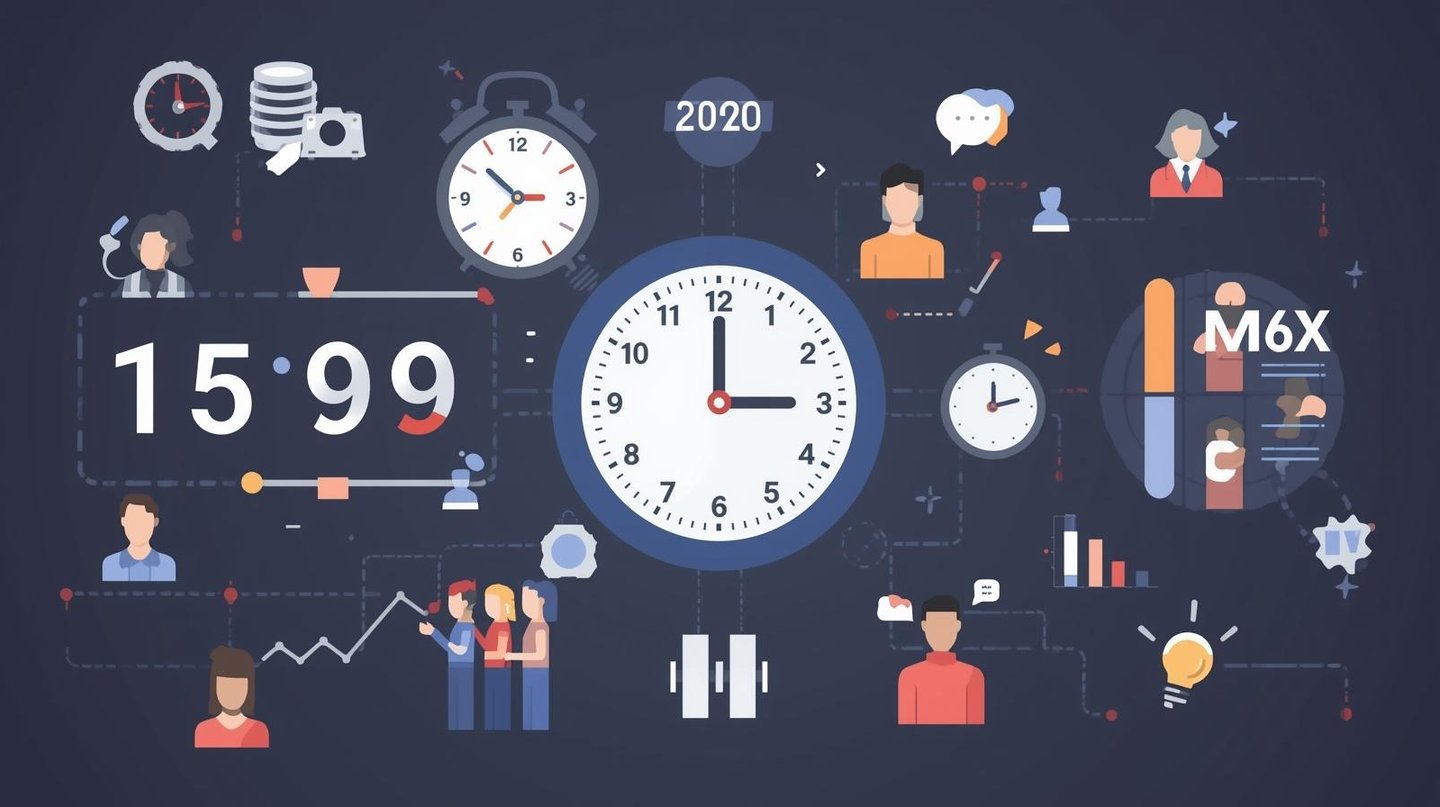
Time management is one of the most overlooked elements of successful events. Whether it’s a business conference, online webinar, panel discussion, or live presentation, staying on schedule plays a huge role in audience engagement and speaker confidence. This is where structured timing systems have become essential across formats and industries.
A timer for presentation is no longer just a clock on a screen. It has evolved into a practical tool that helps speakers stay focused, organizers maintain flow, and audiences remain engaged without unnecessary delays.
The Growing Importance of Time Control on Stage
Live events and webinars operate on tight schedules. When one session runs late, everything that follows is affected. A reliable stage timer helps ensure that each speaker respects their allotted time, allowing smooth transitions between sessions.
For presenters, having a visible or discreet timing reference reduces stress. Knowing exactly how much time remains encourages clearer messaging and better pacing, especially during keynote talks or high-stakes presentations.
Supporting Speakers Without Interruptions
A timer for speakers allows presenters to self-regulate without relying on verbal reminders or signals from event staff. This creates a more professional experience for both speakers and attendees.
Similarly, a timer for presenters is useful during rehearsals, helping individuals practice delivering their message within a defined time window. This preparation translates into confident and concise live delivery.
Managing Live Stages and Open Sessions
In open mic events, panel discussions, and multi-speaker stages, a countdown timer for stage helps maintain fairness and consistency. Each participant gets equal time, and transitions feel natural rather than rushed.
For organizers, a dedicated event timer simplifies stage management. It ensures sessions start and end on time, keeping the entire agenda intact.
Webinars and Virtual Sessions Need Structure Too
Online events face their own challenges. Attention spans are shorter, and overruns can cause drop-offs. A well-planned webinar timer helps hosts stay on track and respect attendee schedules.
Using a countdown timer for webinar segments such as introductions, demos, or Q&A adds structure and professionalism to virtual sessions.
Countdown Timers Improve Focus and Flow
A visible countdown timer encourages speakers to focus on key points rather than drifting off-topic. It also reassures audiences that sessions are well-managed and respectful of their time.
For larger gatherings, a countdown timer for events keeps everything aligned, from speaker sessions to breaks and closing remarks.
Why Timing Enhances Audience Experience
Audiences value clarity and predictability. When sessions stay within planned durations, attendees are more likely to remain engaged throughout the event. A consistent stagetimer system helps create a smooth, predictable rhythm that feels professional and intentional.
Final Thoughts
Time management is not about rushing speakers, it’s about creating balance. When presenters know their limits and organizers have clear visibility into schedules, events become more impactful. From live stages to online sessions, thoughtful use of timing strategies transforms how content is delivered and received.
BulkCalendar.in
Send Bulk & Mass Calendar Invites Instantly
Contact us
Engagement
sales@letscalendar.com
+44 (0) 203 916 5117
© 2025. All rights reserved.
Help?